Don't miss our holiday offer - up to 50% OFF!

Exercise Waist Protection Fitness Equipment

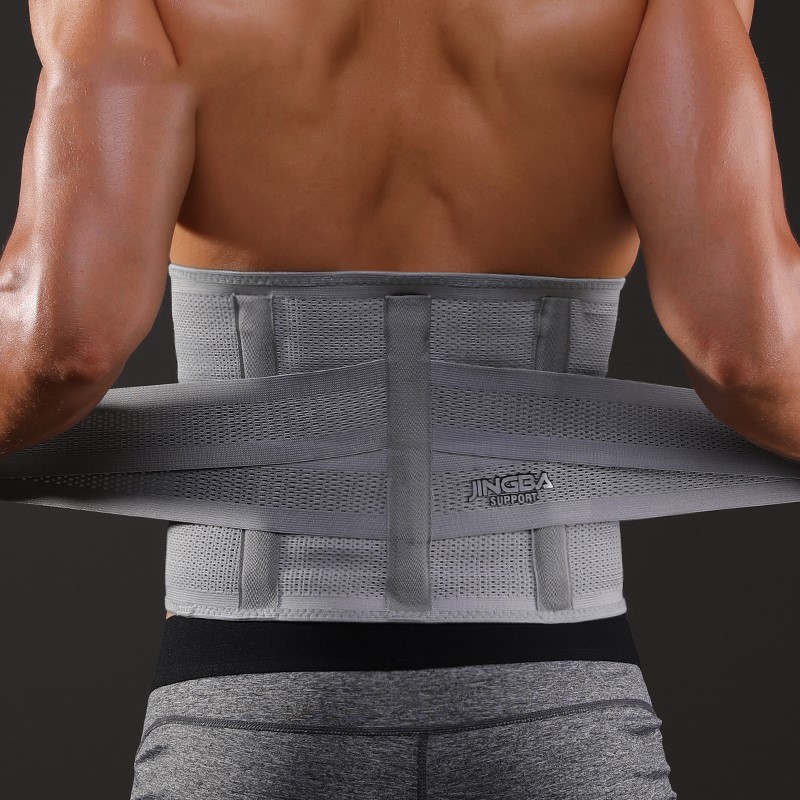
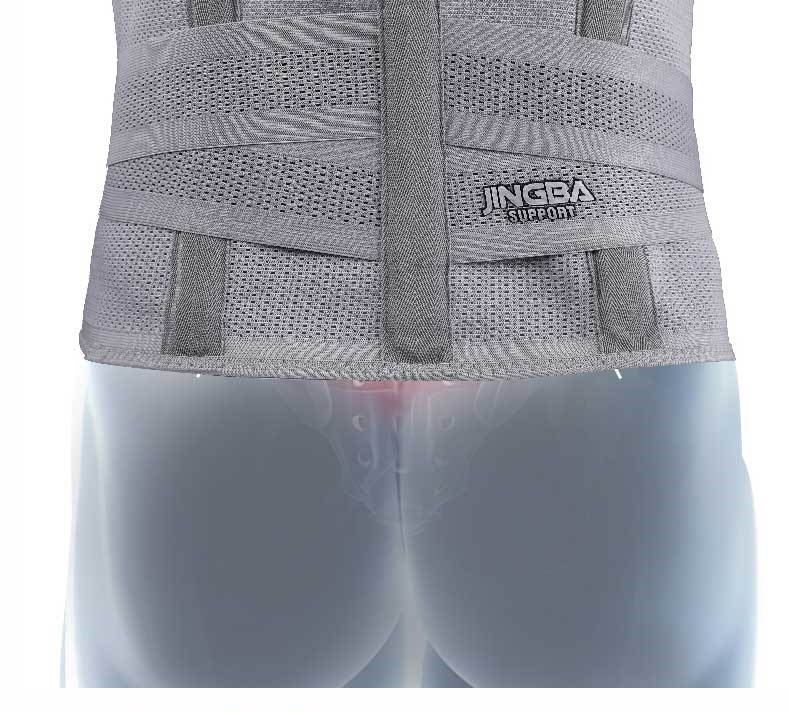
Protecting your waist during exercise is crucial for preventing injuries, improving performance, and maintaining long-term mobility. Whether you’re lifting weights, doing core exercises, or engaging in high-intensity workouts, the right waist protection fitness equipment can make a huge difference.
From beginners to intermediate fitness enthusiasts, this guide will help you understand the benefits, types, usage tips, and best products including gear from Pro-Master Fit to keep your core strong and safe.
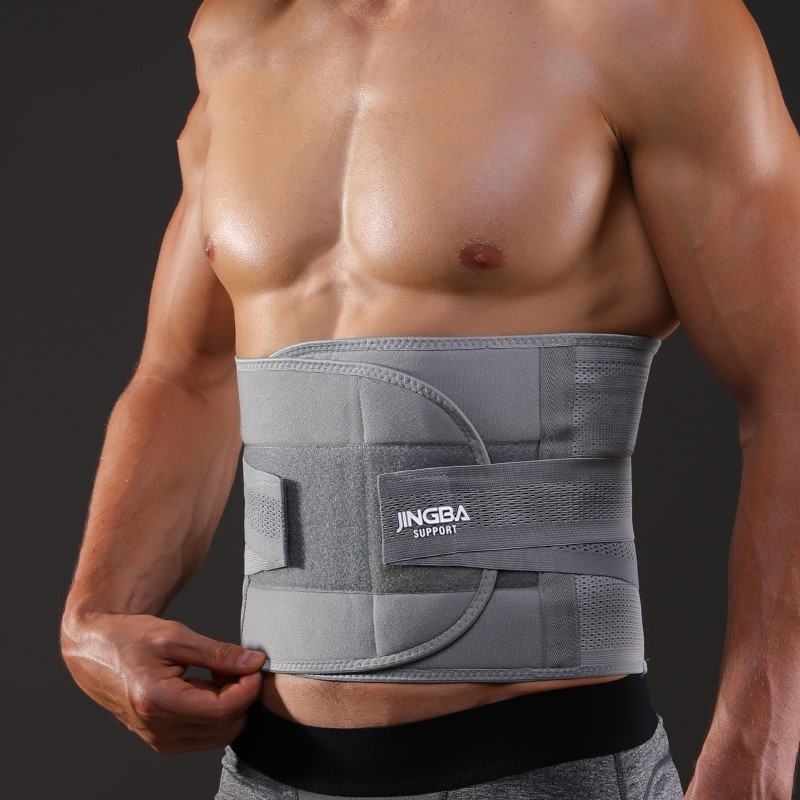
Why Waist Protection Matters in Fitness
Your waist and lower back play a central role in almost every movement. Weak or unprotected muscles can lead to:
- Lower back pain
- Muscle strains
- Postural issues
- Reduced workout performance
By incorporating waist protection equipment into your routine, you not only safeguard your spine but also enhance your strength, stability, and confidence during workouts.
Key Benefits of Waist Protection
- Injury Prevention: Reduces stress on the lower back during heavy lifts or dynamic exercises.
- Improved Posture: Supports correct alignment in squats, deadlifts, and other compound movements.
- Enhanced Performance: Allows for more controlled, powerful movements without compromising safety.
- Long-Term Health: Minimizes risk of chronic back issues and supports spinal health.
Types of Waist Protection Fitness Equipment
Different fitness goals require different types of waist protection. Here are the most common categories:
1. Weightlifting Belts
Weightlifting belts are designed to support your lower back during heavy lifts like squats, deadlifts, and overhead presses.
Features to Look For:
- Wide, reinforced design around the lumbar region
- Durable materials like leather or high-strength synthetic fabric
- Adjustable buckle or Velcro closure
- Comfortable padding
Benefits:
- Increases intra-abdominal pressure for stability
- Reduces lower back strain
- Encourages proper lifting form
2. Waist Trimmers and Support Belts
Waist trimmers provide compression, heat retention, and light support for general fitness activities like cardio, HIIT, or core workouts.
Features:
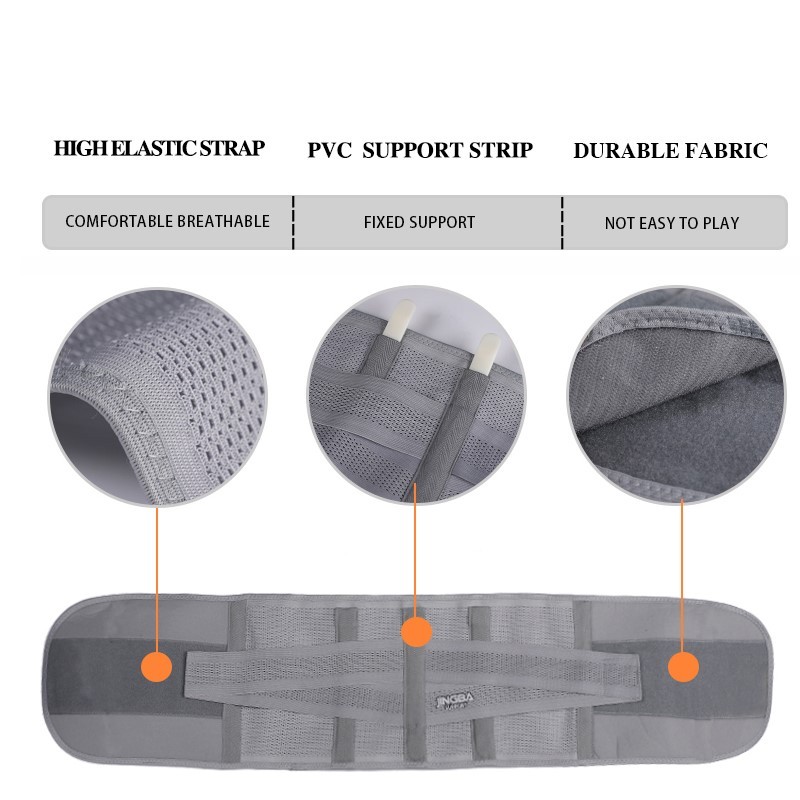
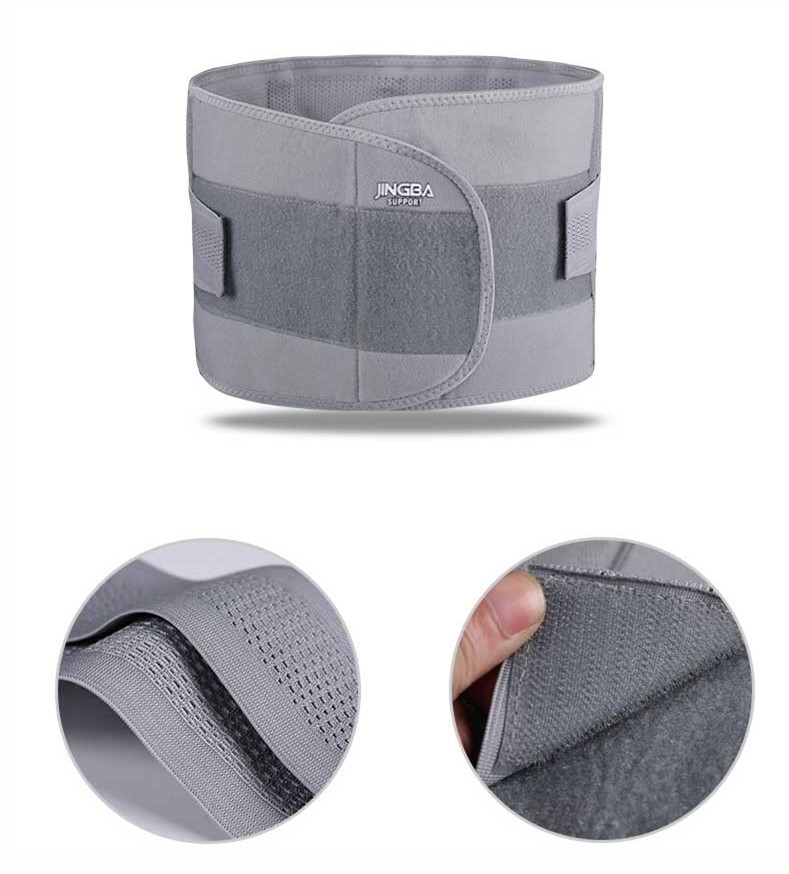
- Lightweight neoprene or elastic material
- Adjustable straps
- Breathable design
Benefits:
- Helps maintain core engagement
- Supports posture during high-intensity movements
- Can aid in calorie burn and sweating
3. Core Stabilizers and Posture Correctors
These are specialized belts or wearable supports that help activate core muscles and encourage proper posture during both daily activities and exercise.
Benefits:
- Strengthens deep abdominal and oblique muscles
- Improves spinal alignment
- Reduces risk of chronic lower back discomfort
4. Functional Training Harnesses
Some advanced fitness setups include waist harnesses for resistance training or suspension workouts. These help protect the lower back while adding intensity to functional movements.
How to Choose the Right Waist Protection Equipment
Not all equipment is created equal. Choosing the wrong type or size can reduce effectiveness or even cause injury.
1. Consider Your Workout Type
- Weightlifting: Go for a reinforced leather or synthetic lifting belt.
- HIIT or Cardio: Lightweight waist trimmers work best.
- Posture Support: Core stabilizers or wearable posture belts are ideal.
2. Size and Adjustability Matter
- Ensure the belt fits snugly around your waist without restricting breathing.
- Adjustable belts allow for better customization as your core strength improves.
3. Material and Durability
- Leather belts: Long-lasting, best for heavy lifting.
- Neoprene belts: Flexible, lightweight, ideal for cardio and daily wear.
- Breathable fabrics: Reduce sweating and irritation during extended workouts.
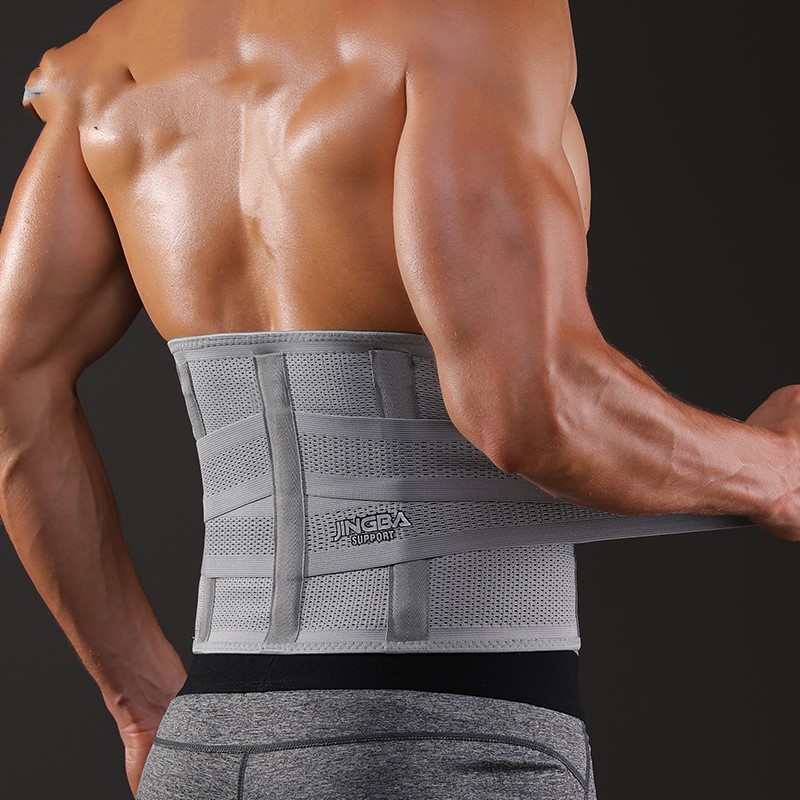
How to Use Waist Protection Equipment Effectively
Using waist protection correctly is just as important as having the right gear.
Tips for Weightlifting Belts
- Position the belt around the lower back and abdomen, covering the lumbar region.
- Tighten so it feels snug but doesn’t restrict deep breathing.
- Engage your core by taking a deep breath and bracing your abs before lifting.
Tips for Waist Trimmers and Support Belts
- Wear during high-intensity workouts for compression support.
- Pair with proper core exercises to maximize results.
- Avoid over-tightening to prevent restricted blood flow.
Common Mistakes to Avoid
- Wearing belts too loosely or too tightly – reduces effectiveness or causes discomfort.
- Over-relying on belts – core muscles must still be actively strengthened.
- Ignoring form – belts don’t replace proper exercise technique.
- Not maintaining hygiene – clean belts regularly to prevent odor and skin irritation.
Top Exercises That Benefit from Waist Protection
Using the right equipment can make these exercises safer and more effective:
- Squats (back and front squats)
- Deadlifts and Romanian deadlifts
- Overhead presses
- Kettlebell swings
- Core circuits and planks
Pro Tip: Always pair waist protection equipment with proper warm-ups, stretching, and posture checks to maximize safety.
Integrating Waist Protection Into Daily Fitness Routines
Even outside of workouts, supportive belts can encourage better posture during daily activities like:
- Sitting at a desk
- Lifting heavy objects
- Walking or standing for long periods
This habit strengthens your core gradually and reduces back discomfort over time.
Recommended Waist Protection Gear from Pro-Master Fit
At Pro-Master Fit, we specialize in fitness equipment that prioritizes safety, performance, and comfort.
Featured Products
Pro-Master Fit Leather Weightlifting Belt
- Perfect for heavy lifting
- Ergonomic design for lower back support
Pro-Master Fit Neoprene Waist Trimmer
- Ideal for cardio and HIIT workouts
- Adjustable and breathable
Pro-Master Fit Core Stabilizer Belt
- Supports posture and core engagement
- Great for beginners and intermediate users
Maintaining and Caring for Your Waist Equipment
Proper care ensures longevity and hygiene.
- Wipe down belts after each use
- Avoid machine washing leather belts
- Store in a cool, dry place
- Check for wear and replace when necessary
Visit Promasterfit.com to upgrade your workouts.